Tattoo Font: Elevate Your Brand Identity
As a small business owner, you know that first impressions are everything. Whether a customer is scrolling through Instagram, picking up your product in a boutique, or visiting your website for the first time, the visual language of your brand speaks before you do. One of the most powerful tools in your branding toolkit is typography. Choosing the right typeface can transform a generic design into a memorable brand identity. This is where Tattoo, a unique handwritten font from Script Amp, comes into play. It is not just a creative font; it is a strategic asset for entrepreneurs who want to convey authenticity, warmth, and personality.
Why Handwritten Fonts Matter for Modern Brands
In an era dominated by clean, digital aesthetics, there is a growing consumer desire for human connection. People buy from people, not faceless corporations. A high-quality handwritten font like Tattoo bridges the gap between professional polish and personal touch. It mimics the natural flow of ink on paper, adding an organic feel that rigid geometric fonts often lack. For service providers, handmade sellers, and boutique owners, this visual cue signals care, craftsmanship, and attention to detail.
When you integrate Tattoo into your brand identity, you are telling your audience that your business is approachable and authentic. It works exceptionally well for brands that rely on storytelling, such as coaching businesses, artisanal bakeries, or independent jewelry makers. The font’s irregular strokes and fluid lines create a mood that is both artistic and trustworthy, helping you stand out in a crowded marketplace without shouting.
Practical Applications for Your Business Materials
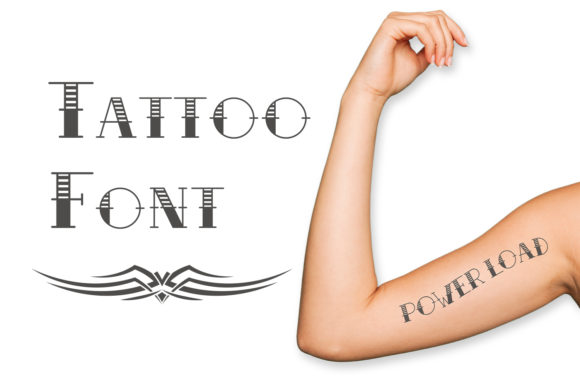
The versatility of Tattoo makes it a valuable addition to your library of design assets. While it is categorized under Script Amp and designed with tattoo artistry in mind, its application extends far beyond body art studios. Here is how you can use this display font across various customer-facing touchpoints:
- Logo Design: If your brand name is short and punchy, Tattoo can serve as the primary element of your logo. Its distinctive character ensures that your logo is recognizable even at smaller sizes, provided you maintain adequate spacing.
- Packaging Design: Imagine a handmade candle label or a bag of artisan coffee. Using Tattoo for the product name or a short tagline adds a premium, bespoke feel. It suggests that the contents are crafted with love, not mass-produced.
- Social Media Graphics: On platforms like Instagram and Pinterest, visuals need to stop the scroll. Use Tattoo for headlines on quote cards, promotional banners, or story highlights. Its expressive nature draws the eye and encourages engagement.
- Website Banners and Headers: In web design, using a decorative font for hero sections or section headers can break up monotony. Pair it with plenty of white space to let the letters breathe, creating a modern typography look that feels curated.
- Customer-Facing Collateral: From thank-you cards included in shipments to menus in a cozy café, Tattoo adds a personal signature to every interaction. It turns a standard transaction into a memorable experience.
Ensuring Readability and Professionalism
While the aesthetic appeal of a script font is undeniable, practicality must come first. As an entrepreneur, you need your message to be understood instantly. Tattoo is designed with clarity in mind, but like any decorative typeface, it requires thoughtful usage. It is best suited for short bursts of text rather than long paragraphs. Use it for headlines, titles, logos, and accent words. For body copy, always pair it with a highly readable font.
Consider the context in which your font will appear. On a small product label, ensure the font size is large enough to remain legible. On mobile screens, test how the curves and connections of the letters render at different resolutions. A professional brand looks consistent across all devices and mediums. If your font becomes illegible on a smartphone, it fails its primary purpose. Always preview your designs in real-world scenarios before finalizing them.
Smart Font Pairing Strategies
To maximize the impact of Tattoo, you need to understand the art of font pairing. The goal is to create contrast while maintaining harmony. Since Tattoo is expressive and organic, it pairs beautifully with structured, neutral typefaces. Here are two reliable combinations for business owners:
- Tattoo + Clean Sans Serif Font: This is a classic modern combination. The simplicity of a sans serif font grounds the whimsical nature of Tattoo, creating a balanced look that feels contemporary and clean. This works well for tech startups, beauty brands, and minimalist boutiques.
- Tattoo + Traditional Serif Font: For a more vintage or elegant vibe, pair Tattoo with a serif font. The traditional structure of the serif complements the handwritten flow, evoking a sense of heritage and sophistication. This is ideal for bakeries, bookstores, and luxury goods.
Remember, less is more. Stick to two, maybe three fonts maximum in your brand guidelines. Overusing decorative elements can clutter your design and dilute your message. Let Tattoo be the star, and let the supporting fonts play their role quietly.
Building Trust Through Consistent Typography
Consistency builds trust. When customers see the same font used across your website, packaging, social media, and email newsletters, they begin to recognize your brand instantly. This recognition fosters loyalty. By adopting Tattoo as part of your core visual identity, you create a cohesive narrative. Every time a customer sees that specific handwritten style, they associate it with the quality and values of your business.
However, consistency does not mean rigidity. You can adjust the weight, size, and color of the font to suit different contexts, as long as the core typeface remains the same. This flexibility allows you to keep your marketing materials fresh while maintaining brand integrity. Whether you are launching a new product line or running a seasonal sale, Tattoo provides a stable visual anchor.
Licensing and Commercial Use Considerations
Before you download and start designing, it is crucial to address licensing. Not all fonts are created equal when it comes to commercial use. As a business owner, you must ensure that you have the appropriate license for your intended use. Check the terms provided by Script Amp or the font distributor. Typically, a standard desktop license covers printed materials like business cards and packaging. However, if you plan to embed the font in a website, use it in digital ads, or include it in a template for resale, you may need an extended or web font license.
Investing in a proper commercial font license protects your business from legal issues and supports the designers who create these valuable tools. It is a small price to pay for peace of mind and professional credibility. Always read the fine print, especially if you are working with client projects or creating digital downloads for other entrepreneurs.
Making the Right Choice for Your Brand
Choosing a font is a subjective decision, but it should be guided by objective business goals. Ask yourself: Does Tattoo reflect my brand’s personality? Does it appeal to my target audience? Is it readable in the formats I use most? If the answer is yes, then Tattoo is likely a strong candidate for your brand kit.
Take the time to test it. Create mockups of your business card, your Instagram post, and your product label. See how it feels. Does it look professional? Does it feel authentic? Trust your instincts, but also seek feedback from peers or potential customers. A font that resonates with your audience is a font that drives results.
In the end, typography is more than just letters on a page. It is the voice of your brand. With Tattoo, you have the opportunity to speak with clarity, warmth, and style. Use it wisely, pair it thoughtfully, and watch as your brand identity becomes more distinct, professional, and unforgettable.